
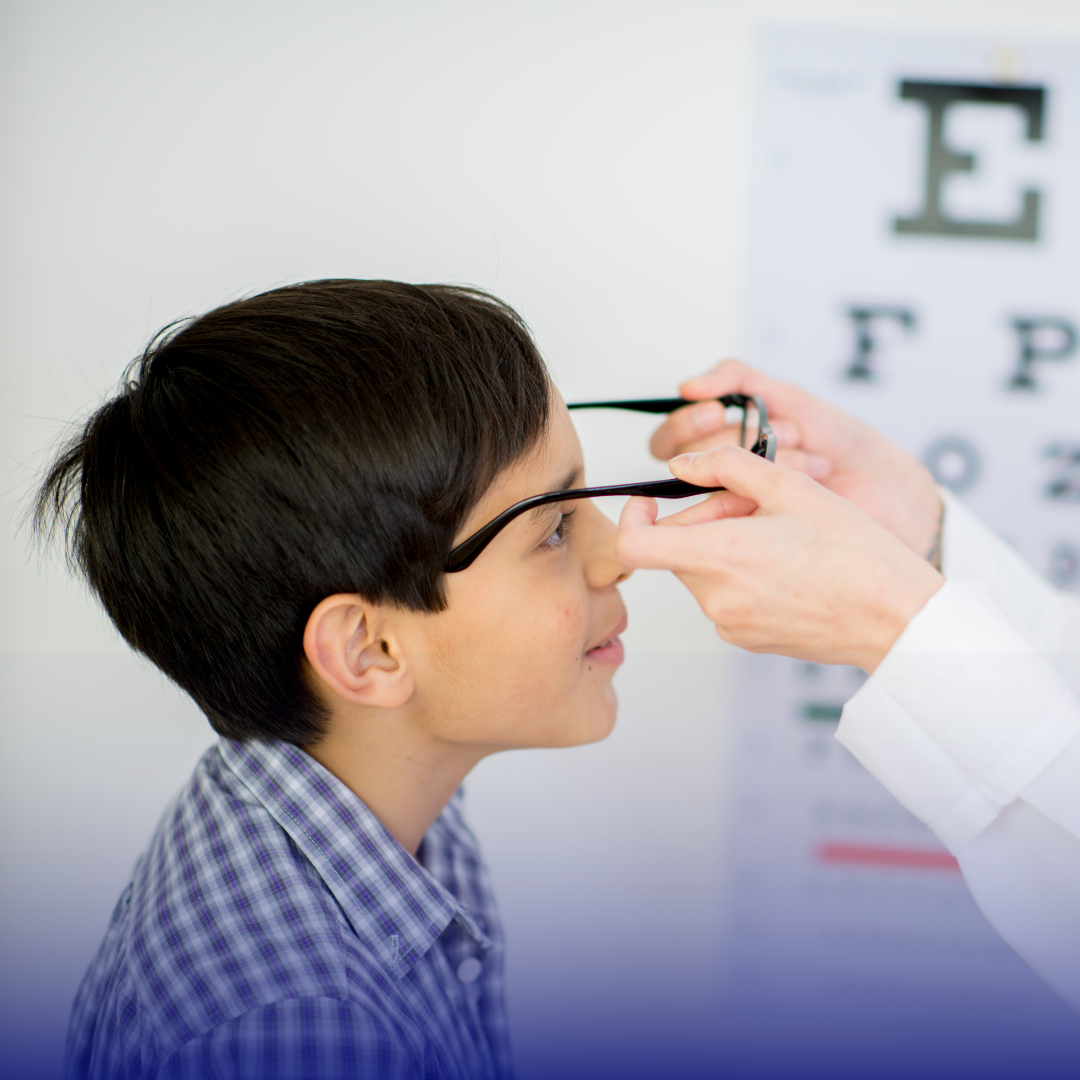
Every June, Child Vision Awareness Month calls attention to the critical role that good vision plays in a child’s development, learning, and overall quality of life. Clear sight isn’t just about seeing the board at school—it influences everything from reading and sports to social skills and safety.
As parents and caregivers, understanding the importance of early eye care can help ensure children have the best start to a bright future.
Why Vision Health Matters in Childhood
Did you know that one in four children has an undiagnosed vision problem that can affect their learning and development? Conditions like nearsightedness, farsightedness, lazy eye (amblyopia), and strabismus (crossed eyes) often go unnoticed because kids don’t always realize they have a problem.
Poor vision can cause:
- Difficulty reading and concentrating
- Behavioral issues mistaken for learning disabilities
- Delayed motor skills development
- Safety risks during play and sports
Early detection is crucial because many vision problems are treatable—especially when caught in the first few years of life.
Signs Your Child May Need an Eye Exam
Keep an eye out for these common signs of vision issues:
- Frequent eye rubbing or blinking
- Squinting or tilting the head to see better
- Sitting too close to the TV or holding books very close
- Complaints of headaches or eye strain
- Difficulty following instructions or copying from the board
If you notice any of these, it’s time to schedule a comprehensive eye exam with a pediatric optometrist or ophthalmologist.
The Role of Health Insurance in Child Vision Care
Many health insurance plans include pediatric vision benefits or offer add-ons that cover:
- Eye exams
- Prescription glasses or contact lenses
- Treatment for certain eye conditions
If you’re a parent or guardian, review your insurance policy to understand:
- What vision services are covered for children
- Whether there are preferred providers in your network
- Any out-of-pocket costs or limits on frames and lenses
Having proper vision coverage means you can focus on your child’s eye health without worrying about unexpected medical bills.
Supporting Vision Health Beyond the Exam
Good habits make a big difference in protecting kids’ eyesight:
- Encourage regular outdoor play—natural light helps reduce nearsightedness risk.
- Limit screen time and encourage breaks during digital device use.
- Teach proper eye safety during sports or activities.
- Promote a balanced diet rich in vitamins A, C, and E, which support eye health.
Join the Movement This June
During Child Vision Awareness Month, help spread the word:
- Share tips with other parents, teachers, and caregivers.
- Advocate for vision screenings in schools and community centers.
- Encourage early and regular eye exams for all children.
Final Thoughts
Your child’s vision shapes their world and their future. Early detection and proper care can prevent lifelong challenges and unlock their full potential. This June, make vision health a priority—because every child deserves to see clearly and thrive.
For more follow us on Instagram, Facebook, Twitter, & LinkedIn.
