
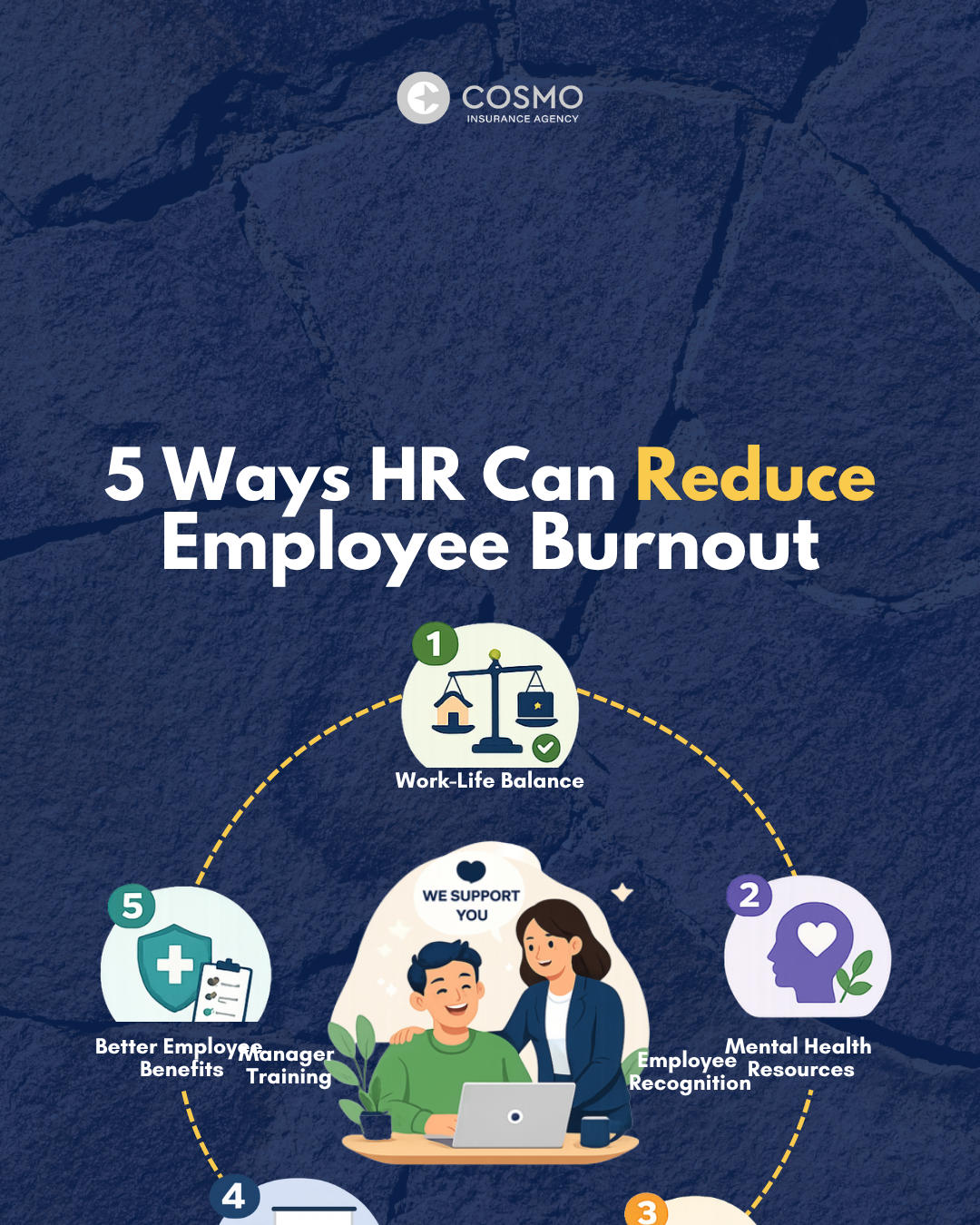
Employee burnout has become one of the most significant workplace challenges facing organizations today. Heavy workloads, constant deadlines, evolving responsibilities, and the pressure to remain productive can leave employees feeling emotionally, mentally, and physically exhausted. When burnout goes unaddressed, businesses often experience decreased productivity, increased absenteeism, higher turnover, and lower employee engagement.
Human Resources plays a vital role in fostering a workplace culture where employees feel supported and empowered to succeed. By implementing proactive strategies, HR professionals can help reduce burnout, improve employee well-being, and strengthen long-term organizational performance.
1. Promote Work-Life Balance
A healthy work-life balance is one of the strongest defenses against employee burnout. Employees who have adequate time to rest and manage personal responsibilities are generally more engaged, focused, and productive during work hours.
HR can encourage work-life balance by:
- Offering flexible work schedules or hybrid work arrangements
- Encouraging employees to use their paid time off (PTO)
- Setting clear expectations around after-hours communication
- Discouraging excessive overtime whenever possible
- Supporting realistic workloads and project timelines
Creating a culture that respects employees’ personal time helps improve morale while reducing long-term stress.
2. Prioritize Mental Health Resources
Mental health should be an essential component of every organization’s employee wellness strategy. Providing access to supportive resources helps employees manage stress before it impacts their overall well-being and job performance.
HR can strengthen mental health initiatives by offering:
- Employee Assistance Programs (EAPs)
- Mental health counseling benefits
- Stress management workshops
- Mindfulness and wellness programs
- Access to telehealth behavioral health services
Partnering with an experienced employee benefits advisor can help organizations develop mental health programs that are both accessible and cost-effective.
3. Recognize and Reward Employees
Employees who feel appreciated are more likely to stay engaged and motivated. Consistent recognition reinforces positive performance and reminds employees that their contributions make a meaningful impact.
Recognition programs may include:
- Employee appreciation initiatives
- Peer recognition programs
- Work anniversary and milestone celebrations
- Performance awards
- Personalized thank-you messages from leadership
Recognition doesn’t always require financial rewards. Simple, genuine appreciation can significantly improve employee morale and reduce emotional exhaustion.
4. Train Managers to Recognize Burnout Early
Managers interact with employees daily and are often the first to notice changes in behavior or performance. Equipping leaders with the skills to identify burnout allows organizations to address concerns before they become more serious.
HR should train managers to recognize warning signs such as:
- Declining productivity or work quality
- Increased absenteeism
- Withdrawal from meetings or team activities
- Irritability or reduced motivation
- Difficulty concentrating
- Frequent signs of stress or fatigue
Early conversations, workload adjustments, and supportive resources can make a significant difference in preventing burnout from escalating.
5. Offer Competitive Employee Benefits
A comprehensive employee benefits package provides peace of mind and helps reduce many of the financial and healthcare concerns that contribute to workplace stress.
Valuable employee benefits may include:
- Medical insurance
- Dental and vision coverage
- Telehealth services
- Mental health support
- Wellness programs
- Retirement savings plans
- Supplemental insurance options
Providing meaningful benefits demonstrates that an organization values employees both inside and outside the workplace, helping improve retention, recruitment, and overall job satisfaction.
How Cosmo Insurance Agency Can Help
Supporting employee well-being starts with offering benefits that meet the evolving needs of today’s workforce. Cosmo Insurance Agency partners with businesses to develop customized employee benefits solutions that align with organizational goals, workforce demographics, and budget requirements.
Whether your organization is reviewing health insurance plans, expanding voluntary benefits, or enhancing wellness offerings, our team helps employers build comprehensive benefits packages that support healthier, happier, and more engaged employees.
Investing in employee well-being is more than a workplace initiative—it’s a long-term business strategy that can improve productivity, strengthen retention, and create a more resilient workforce.
Final Thoughts
Preventing employee burnout requires more than encouraging employees to “take a break.” It requires building a workplace culture that prioritizes mental health, work-life balance, meaningful recognition, supportive leadership, and competitive employee benefits.
When HR professionals take a proactive approach to employee wellness, organizations benefit from stronger engagement, higher productivity, improved retention, and a healthier workplace culture. By investing in employees today, businesses position themselves for sustainable growth and long-term success.
For more follow us on Instagram, Facebook, Twitter, & LinkedIn.
