
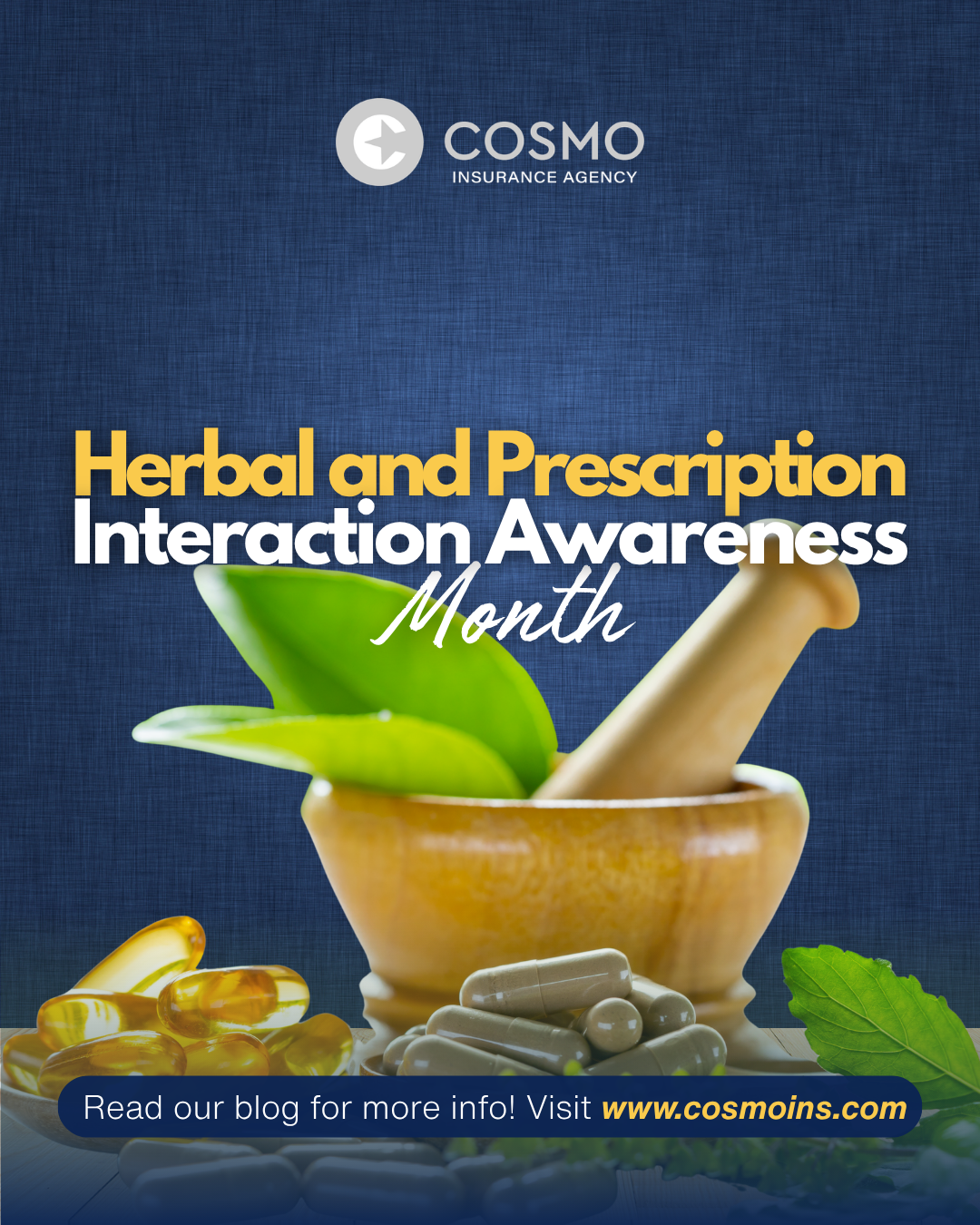
Every July, Herbal/Prescription Interaction Awareness Month serves as an important reminder that natural does not always mean risk-free. While herbal supplements, vitamins, and other dietary products are commonly used to support overall wellness, they can sometimes interact with prescription medications in ways that reduce effectiveness or increase the risk of harmful side effects.
Whether you’re managing a chronic condition, taking medication for short-term treatment, or simply looking to improve your health with supplements, understanding potential interactions is an essential part of staying safe.
Why Herbal and Prescription Interactions Matter
Many people assume that because herbal products are available over the counter, they are completely safe to take alongside prescription medications. However, certain herbs and supplements can affect how medications are absorbed, processed, or eliminated by the body.
Possible interactions may:
- Reduce the effectiveness of prescription medications
- Increase the risk of bleeding or bruising
- Cause dangerous changes in blood pressure or heart rate
- Lead to excessive drowsiness or other unwanted side effects
- Affect blood sugar levels or interfere with diabetes medications
These interactions can happen even with supplements that have been taken for years without noticeable issues.
Common Supplements That May Interact With Medications
Several popular herbal supplements are known to interact with prescription drugs, including:
- St. John’s Wort, which may reduce the effectiveness of certain antidepressants, birth control pills, and medications used to prevent organ transplant rejection.
- Ginkgo Biloba, which may increase bleeding risk when combined with blood thinners.
- Garlic supplements, especially in high doses, which can also affect blood clotting.
- Ginseng, which may interfere with medications used to manage diabetes or blood pressure.
- Turmeric supplements, which may interact with blood-thinning medications and certain chemotherapy treatments.
This is not a complete list, making it even more important to discuss all supplements with your healthcare provider.
Older Adults Face Higher Risks
Older adults are particularly vulnerable to herbal and prescription interactions because they are more likely to take multiple medications for various health conditions. As the number of medications increases, so does the possibility of unintended interactions.
Regular medication reviews with a physician or pharmacist can help identify potential concerns before they become serious.
Tips for Safe Supplement Use
If you take prescription medications, consider these best practices:
- Tell your healthcare provider about every supplement, vitamin, mineral, and herbal product you use.
- Never stop or adjust prescribed medications without medical guidance.
- Read supplement labels carefully and follow recommended dosages.
- Purchase supplements from reputable manufacturers that follow quality standards.
- Report any unusual symptoms or side effects immediately.
Keeping an updated list of all medications and supplements can also help healthcare providers make informed recommendations during appointments.
Prevention Starts With Communication
One of the easiest ways to reduce the risk of harmful interactions is through open communication. Doctors, pharmacists, and other healthcare professionals can review your medications and supplements together to ensure they work safely and effectively.
Never assume that a supplement is harmless simply because it is labeled as “natural.” Every person’s health situation is unique, and professional guidance can help protect your well-being.
How Health Insurance Supports Better Medication Management
Many health insurance plans include benefits that encourage preventive care and medication management. Regular wellness visits, annual checkups, and access to healthcare professionals provide opportunities to review medications and discuss any supplements you’re taking.
Taking advantage of these preventive services can help identify potential issues early and support better long-term health outcomes.
Stay Informed This July
Herbal/Prescription Interaction Awareness Month is an opportunity to become more informed about the medications and supplements you use every day. By asking questions, communicating with your healthcare providers, and making informed decisions, you can help reduce unnecessary health risks and ensure your treatment plan remains both safe and effective.
At Cosmo Insurance Agency, we believe that informed healthcare decisions are an important part of overall wellness. Understanding your health benefits, scheduling preventive care, and maintaining open communication with your healthcare team can help you make confident choices for yourself and your family.
For more follow us on Instagram, Facebook, Twitter, & LinkedIn.
