
Understanding Anxiety and Why It Matters at Work
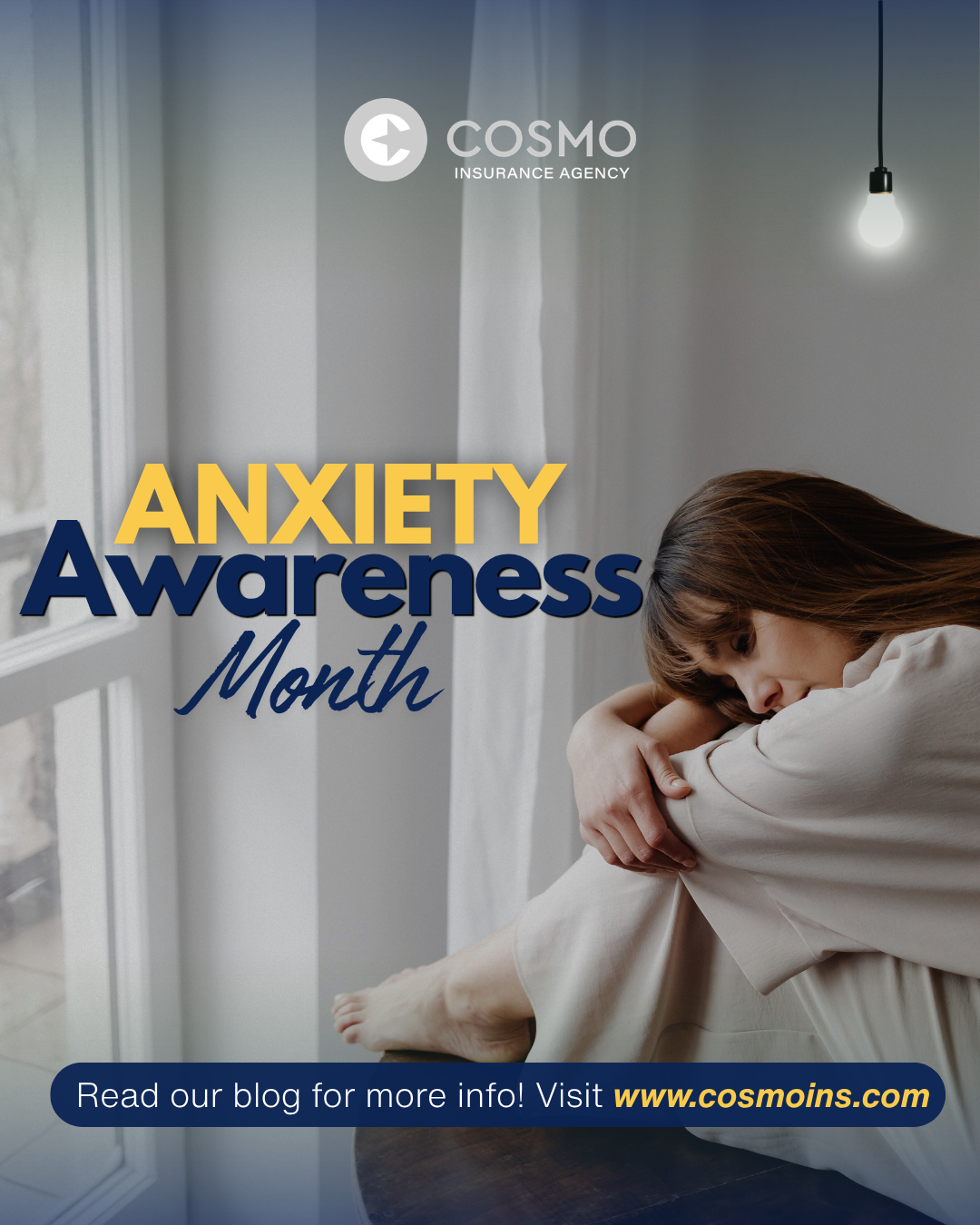
May is Anxiety Awareness Month, a time dedicated to raising awareness about one of the most common mental health challenges affecting millions of people worldwide. Anxiety goes beyond everyday stress or occasional worry—it can impact focus, productivity, communication, sleep, and overall well-being.
In today’s fast-paced work environments, employees are often balancing deadlines, workloads, personal responsibilities, financial concerns, and life changes. When anxiety becomes overwhelming, it can affect both individual performance and team dynamics.
For employers, recognizing the importance of mental health is no longer optional—it is a critical part of building a healthy, productive, and supportive workplace culture.
Anxiety in the Workforce: A Growing Concern
Workplace anxiety can stem from many sources, including:
- Heavy workloads and unrealistic expectations
- Job insecurity or organizational changes
- Poor work-life balance
- Financial stress
- Lack of communication or unclear expectations
- Burnout from prolonged stress
- Personal or family challenges spilling into work life
Employees experiencing anxiety may show signs such as:
- Difficulty concentrating
- Increased absenteeism
- Fatigue or lack of motivation
- Irritability or withdrawal from coworkers
- Decline in productivity or engagement
- Trouble making decisions
Without support, anxiety can contribute to burnout, turnover, and reduced morale across an organization.
How Employees Can Manage Workplace Anxiety
While employers play an important role, employees can also take steps to better manage anxiety:
1. Prioritize Healthy Boundaries
Set realistic work hours, take breaks, and avoid constant after-hours communication when possible.
2. Practice Stress-Reduction Techniques
Deep breathing, mindfulness, exercise, journaling, and short walks can help regulate stress responses.
3. Communicate Early
Speak with a manager, HR representative, or trusted colleague when workloads or personal stressors become overwhelming.
4. Use Available Benefits
Take advantage of wellness resources, counseling services, telehealth, and mental health programs included in your benefits package.
5. Seek Professional Support
There is value in talking to a licensed mental health professional before anxiety escalates.
How HR Can Better Support Employees with Anxiety
Human Resources teams are on the front lines of workplace well-being. Supporting employees with anxiety requires more than offering generic wellness tips—it means building systems and benefits that create real access to care.
HR leaders can help by:
Creating a Supportive Culture
Normalize conversations around mental health and reduce stigma by encouraging open dialogue.
Training Managers
Equip leaders to recognize signs of burnout, stress, and anxiety while responding with empathy and professionalism.
Offering Flexible Solutions
Flexible schedules, remote options, and reasonable accommodations can reduce unnecessary workplace stress.
Reviewing Workload Expectations
Prevent chronic burnout by monitoring workloads, deadlines, and staffing needs.
Providing Access to Mental Health Resources
This is where an Employee Assistance Program (EAP) becomes essential.
Why EAPs Are a Must-Have in Every Benefits Package
An Employee Assistance Program (EAP) provides employees with confidential support services designed to help them navigate personal and professional challenges.
EAP services often include:
- Mental health counseling
- Stress and anxiety support
- Financial counseling
- Legal assistance
- Family and relationship resources
- Crisis support
- Work-life resource referrals
Employees often hesitate to seek help because of cost, time, or privacy concerns. EAPs remove many of those barriers by offering immediate, confidential access to professional support.
For employers, the benefits are significant:
- Improved employee retention
- Reduced absenteeism
- Higher engagement and productivity
- Better workplace morale
- Lower long-term healthcare costs
Mental health benefits are no longer “nice to have”—they are a vital part of a competitive and compassionate benefits strategy.
Cosmo Insurance: Building Better Benefits for Employee Well-Being
At Cosmo Insurance, we understand that employee benefits should support the whole person—not just physical health.
That is why we believe Employee Assistance Programs (EAPs) should always be considered an essential part of a comprehensive benefits package. Supporting employees through accessible mental health resources helps organizations build stronger teams, healthier cultures, and more resilient workplaces.
As businesses continue prioritizing employee wellness, partnering with the right benefits advisor can make all the difference.
This Anxiety Awareness Month, take the opportunity to review your current benefits strategy and ask: Are your employees truly supported?
Cosmo Insurance is here to help employers create smarter, more supportive benefits solutions that prioritize both business success and employee well-being.
For more follow us on Instagram, Facebook, Twitter, & LinkedIn.
